






Shaping the future of construction: An action plan to solve the industry’s talent gap

The construction industry needs to take action to close its talent gap - a major hurdle to its digital transformation.
Recently, transformative technological developments such as 3D-printed houses, automated construction equipment and pre-fabricated skyscrapers have emerged. The digital transformation of the construction industry has the potential to uplift decade-long stagnating productivity, which is crucial for society’s wellbeing, economic prosperity and for the environment.
However, the industry needs new talent to adopt the new technologies. A report published in February 2018, 'Shaping the Future of Construction: An Action Plan to solve the Industry’s Talent Gap', provides twelve key actions which need to be implemented to close the structural talent gap in the construction industry.
The report, developed in collaboration with The Boston Consulting Group (BCG), is the outcome of a roundtable with more than 30 high-profile representatives from leading global design, engineering and construction firms, industry associations, governments and academia. It outlines actions and successful implementation examples at company, industry and government-level.
Download the full report here.
This article was written by:
- Santiago Castagnino, Partner & Managing Director, The Boston Consulting Group
- Pablo Claver Gil, Partner & Managing Director, The Boston Consulting Group
- Christoph Rothballer, Principal, The Boston Consulting Group
- Till Zupancic, Project Manager Future of Construction, World Economic Forum
- Michael Max Bühler, Head of Infrastructure and Urban Development Industries, World Economic Forum
Please find the original article here
--Future of Construction 16:00, 22 Feb 2018 (BST)
[edit] Find out more
[edit] Related articles on Designing Buildings Wiki
- Diversity in the construction industry.
- Eight ways to win the fight for talent in construction.
- National Infrastructure Plan for Skills.
- Recruiting and retaining talent in the construction industry.
- Skills shortage.
- Tackling the construction skills shortage.
- To attract the right talent, offering flexibility and work-life balance will be essential.
Featured articles
Check out some of the best features and news from Designing Buildings as well as key stories from around the web.
Listed structures on the rail network
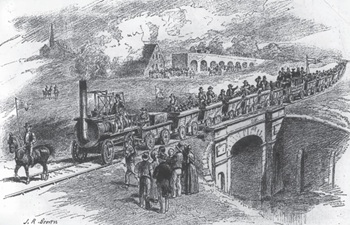
Heritage interests and operational requirements must be balanced.

Historic England publishes research into embodied carbon when retrofitting traditional buildings.

New Prime Minister delivers on ECA call for cut in electricity costs.

CIOB reacts to the announcement of Andy Burnham as Prime Minister.

Heritage and conservation science workforce survey - Have your say.

England's Suburbs 1820-2020. Book review.

New, more proportionate and targeted approach for higher-risk building assessments.

Government brings British Steel into public ownership.

UKCW Birmingham returns with bold new theme and focus.

New guidance published on competence requirements for self-certification schemes.
Construction Management, 8 July

NEETs crisis drives interest in trades, but apprenticeships barriers remain.
Passive fire protection webinar

MEP services penetration seals.